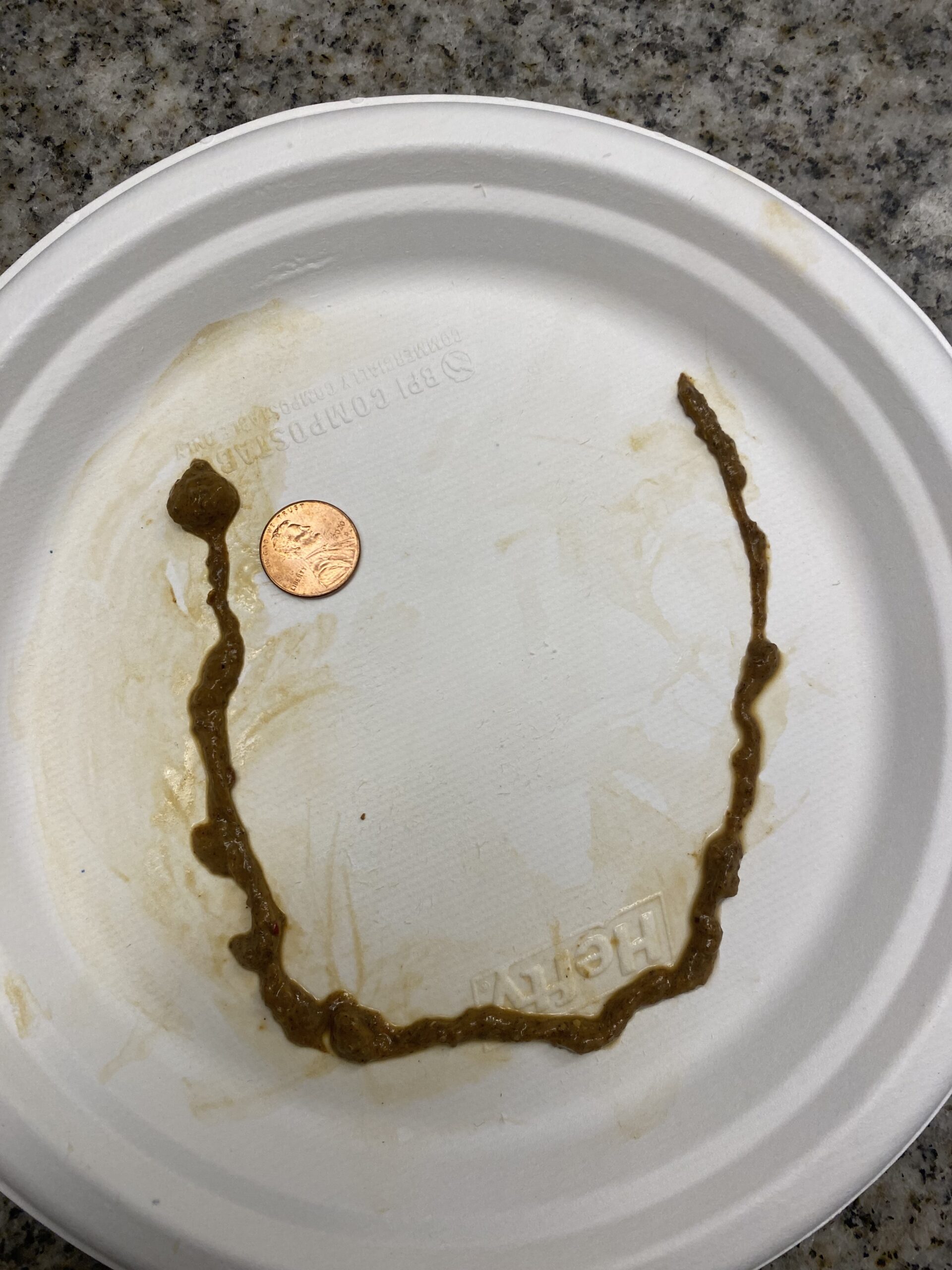
Intestinal Lining, Mucus Strands or Something Else Entirely?
For at least a decade, mysterious rope-like structures have shown up in the toilets of people doing detoxes, enemas, and parasite cleanses. Long, twisted, often mucousy and foul-smelling, they’ve been called everything from “intestinal lining” to “biofilm colonies” — and increasingly, “rope worms.”
But what exactly are rope worms? While mainstream science hasn’t fully embraced the rope worm phenomenon, a growing number of researchers, practitioners, and laypeople believe these organisms — or at least their presence — are a sign of something serious going on inside the gut.
Let’s dive into the most up-to-date theories, studies, and firsthand accounts to better understand the mystery of the rope worm.
The Origins of the Rope Worm Theory
The term “rope worm” was first coined by Dr. Alex Volinsky and Dr. Nikolai Gubarev, two researchers who published papers in 2013–2014 documenting the discovery of long, rope-like organisms expelled by people during cleansing procedures, especially enemas. Their work followed years of clinical observation by Gubarev in Russia, where he noted recurring expulsion of these structures during therapeutic enemas.
Their initial findings were based on microscopy, patient reports, and photographic evidence. They classified rope worms as a new type of intestinal parasite — or at least a symbiotic anaerobic organism — that resides in the human gastrointestinal tract, forming dense, mucus-based structures that can grow over time.
Volinsky and Gubarev proposed five developmental stages of the rope worm:
- Viscous mucus (early-stage biofilm or microbial slime)
- Mucus with bubbles (developing channels for movement)
- Branched jellyfish-like structure
- Softer rope-like form
- Tough, fully formed rope worm (up to 1 meter or more in length)
This classification, while not yet validated in mainstream medical literature, laid the groundwork for what would become a passionate global conversation.
What Rope Worms Look Like
People describe rope worms as:
- Long, twisted, rope- or ribbon-like structures
- White, brown, tan, or translucent in color
- Covered in mucus and often slimy or rubbery
- Sometimes containing visible air bubbles, thought to be their method of movement
- Emitting a strong, putrid odor (often described as worse than a typical bowel movement — more like rotting garbage)
Some have noted “hooks,” segmented appearances, or flat, scale-like textures. Others describe passing small fragments, mucus clumps, or mucus ropes rather than full-length organisms.
They are most commonly released during specific enemas, saltwater flushes, fasting, or specific herbal parasite cleanses — particularly during full moons, when parasite activity spikes.
The Hybrid Parasite Theory
One of the more provocative ideas presented by Gubarev and Volinsky is that rope worms may be hybrid organisms — not traditional parasites like worms or flukes, but biofilm-dwelling creatures that form a symbiotic relationship with yeast, bacteria, protozoa, and even heavy metals or mold spores.
These “creatures” are theorized to:
- Adhere to the gut wall, forming thick mucus nests or colonies
- Steal nutrients from the host
- Release toxins or metabolic waste, contributing to inflammation, brain fog, and immune suppression
- Possibly evolve or mutate in the presence of GMOs, pesticides, or environmental toxins
According to this theory, rope worms don’t just passively exist — they adapt and defend themselves.
Movement by Air Bubbles?
One of the more unusual claims by Volinsky and others is that rope worms may move by releasing gas bubbles. These bubbles appear within the body of the rope worm and may help them shift or glide through intestinal mucus.
This could explain the gurgling, fluttering, or popping sensations people often report — especially at night or during full moon.
Critics argue this could be normal gas movement through mucus or stool. But many people, including those who pass visible ropes, claim the feeling is very distinct — like something “wiggling” in the gut.
Are Rope Worms Parasites or Just Mucus?
The Mainstream View:
Most gastroenterologists and parasitologists reject the idea that rope worms are parasites. Instead, they propose these structures are:
- Sloughed intestinal mucosa or epithelial lining
- Thickened mucus and fecal matter
- Biofilm colonies — composed of bacteria, yeast, mucus, and immune cells
- A result of enemas and herbs loosening undigested food and waste buildup
They argue that no DNA or tissue analysis has definitively proven rope worms are living organisms with parasitic intent.
The Counterpoint:
But here’s the issue — thousands of people around the world are passing these structures during detox and feeling dramatically better afterward. Many report:
- Long-standing symptoms resolving (brain fog, fatigue, rashes, allergies, joint pain, digestive issues and more)
- Parasites emerging after years of negative stool tests
- Clear patterns of full moon activity and symptoms of all sorts spike during the full moon
- Progression from frequent large rope worms to few or none over time when doing consistent parasite cleanses and enemas
Supporters argue that just because we haven’t sequenced the DNA yet doesn’t mean these aren’t real organisms — or at the very least, harmful mucus-based bio-colonies that damage human health.
Rope Worm Facts
- Rope worms can be up to 3 feet long and may contain embedded parasites, toxins, or metals
- Many are covered in a sticky mucus biofilm, suggesting protective mechanisms
- People pass less over time as their health improves — suggesting a die-off or clearing
- The smell of rope worms is distinct and foul — unlike anything experienced with normal stool
- Some people report neurological symptoms improving (including in children with autism) after clearing rope worms and heavy metals
- Some people have reported seeing them move and spin in the toilet
- Larger rope worms sometimes have sucker heads
- Rope worms come in all sizes – babies being less than 1/2 inch long and only as thick as a human hair, medium sized 8 inches long and spaghetti size and full grown adults reaching up to 36 inches long and thicker than a green been
Rope Worms and Biofilm
One of the most compelling arguments in the rope worm discussion is the connection to biofilm — the sticky, slimy substance bacteria use to protect themselves from the immune system and antibiotics.
Biofilm is a real, medically recognized phenomenon.
- Coats tissues and protects pathogenic colonies
- Resists medication and cleansing agents
- Harbors parasites, fungi, and viruses
- Creates a shielded environment inside the gut
Many detox practitioners believe rope worms are a visible, hardened form of biofilm that has colonized the intestines — and that removing them opens the door for deeper detoxification of hidden pathogens.
Autism, Rope Worms, and Heavy Metals: A Controversial Connection
Some researchers and parents have suggested a link between autism symptoms and rope worms. In some anecdotal cases, children with autism have passed large amounts of rope worms during rope specific rope worm removing protocols. Afterward, parents report improved speech, behavior, eye contact, and cognitive function!
Dr. Kerri Rivera claims to have helped well over 100 children including her son by eliminating rope worms, toxins and heavy metals. Many parents said their children previously diagnosed with regressive autism were able to shed their autism diagnosis and their symptoms, and return to an overall state of health and vitality by using the protocols revealed in her book, Healing the Symptoms Known As Autism.
Critics (and most doctors) caution that these are not proven therapies and may be dangerous. But even skeptics admit that inflammation, gut dysbiosis, and heavy metals are all well-documented issues in autism — and if rope worms play a role in any of those processes, their removal could provide relief.
This remains a very delicate and under-researched area, but it’s one that deserves further investigation.
So… What Are Rope Worms, Really?
Right now, rope worms remain a medical mystery.
Here’s what we do know:
- They are real, physical structures — not imaginary
- They appear during detox, especially enemas and full moon cleanses
- Many people feel dramatically better after removing them
- Traditional tests don’t detect them
- The scientific community has not yet validated them as parasites
- The biofilm theory offers a possible bridge between both views
Some believe they are:
- Anaerobic parasites
- Mucus-based hybrids
- Intestinal lining and biofilm
- A mix of all of the above
What’s clear is that they’re not harmless. Whether you call them parasites, biofilm colonies, or sloughed lining, their presence correlates with toxicity, inflammation, and impaired detox pathways.
Final Thoughts
Mainstream medicine may take years or decades to validate what thousands already know: that these rope-like structures, when removed, lead to major health breakthroughs.
At this point, the rope worm debate is less about what we call them — and more about how we respond to them. It’s time to ask deeper questions, fund real research, and stop dismissing those whose experience contradicts outdated lab results.
If you’ve seen them… smelled them… or passed them yourself, you already know:
As you get them out, you your health radically improves!
Curious if rope worms are affecting your health?
Book a free 10-minute discovery call and I’ll help you uncover your next steps with clarity, confidence, and real solutions that work.